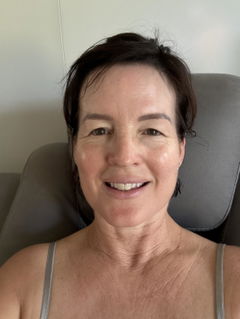
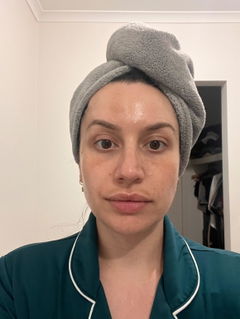
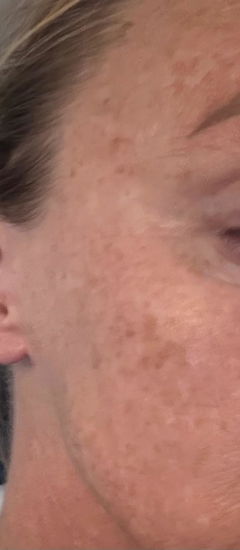
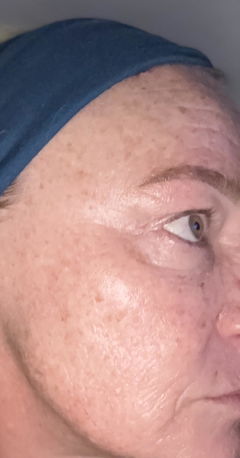
Pigmentation won't shift?
Resurface stubborn pigmentation that looks dark, dull and stuck.
- ✓ Helps visibly fade pigmentation
- ✓ High-activity resurfacing treatment that targets pigmentation from multiple pathways


The Melasma Peel
Description
A high-activity, 15-minute resurfacing treatment for stubborn pigmentation, dullness and uneven texture.
Powered by 10% Glycolic Acid, 5% Mandelic Acid, 5% Azelaic Acid and 3% Tranexamic Acid to lift dull buildup and support brighter, clearer, more even-looking skin.
Product information
Australia Rates
- FREE Standard Shipping on all AUS orders over $200.
- FREE Express Shipping on orders over $500
- $6.95 flat rate standard shipping on orders $129.96–$199.99
- $9.95 flat rate standard shipping on orders up to $129.95
- $16 flat rate Express shipping on orders up to $499.99
Click here for international rates
We aim to ship orders within 1 business day, when placed on a business day. Orders placed on Saturday or Sunday and including public holidays will be shipped within 2 business days, from our store:
71 Commercial Street West
Mount Gambier, SA, 5290.
If you have any questions about your order please email sales@windyigarn.com.au and we will aim to respond to you within 1 business day. Please note, your automated order updates and tracking details may have gone to your junk folder.
Whilst all care is taken to package your order for postage, we are not responsible for any damage that occurs within transit. If items are faulty please e-mail sales@windyigarn.com.au for us to investigate the issue. If the item is found faulty, a replacement or refund will be issued within 3 business days.
All orders will be sent via registered post, to which you will receive a tracking number to be able to see where your order is. We take no responsibility around Australia Post or Courier tracking websites.
Melasma-prone skin often needs structure, consistency and barrier support rather than constant product switching.
Pigmentation can look darker when dull surface buildup sits over it.
Visible pigmentation is influenced by more than melanin alone. When corneocytes accumulate unevenly at the surface, light reflection becomes less uniform and pigmented areas can appear darker, rougher and more obvious.
The Melasma Peel combines controlled chemical exfoliation with pigment-aligned actives, addressing visible surface dullness while supporting a clearer and more even-looking complexion.
- Melasma-prone skin with visible dullness or uneven texture.
- Dark patches that appear heavier when the skin feels rough.
- Post-breakout marks and patchy-looking discolouration.
- Skin that needs a focused weekly resurfacing step.
- An existing pigment routine that needs controlled surface renewal.
- Customers prepared to use daily SPF and follow a measured protocol.
Loosen surface-cell cohesion
Alpha hydroxy acids help reduce the bonds holding dull, compacted surface cells together, supporting more even shedding and smoother-looking texture.
Improve visible light reflection
A more refined surface reflects light more evenly, helping skin appear brighter and reducing the heavy, shadowed look created by rough buildup.
Support uneven tone
Azelaic Acid and Tranexamic Acid add pigment-focused support, so the formula is designed for more than ordinary exfoliation alone.
Four active pathways. One controlled treatment.
The formula balances high-performance resurfacing with ingredients selected for pigmentation-prone skin. Each active has a defined role within the 15-minute protocol.
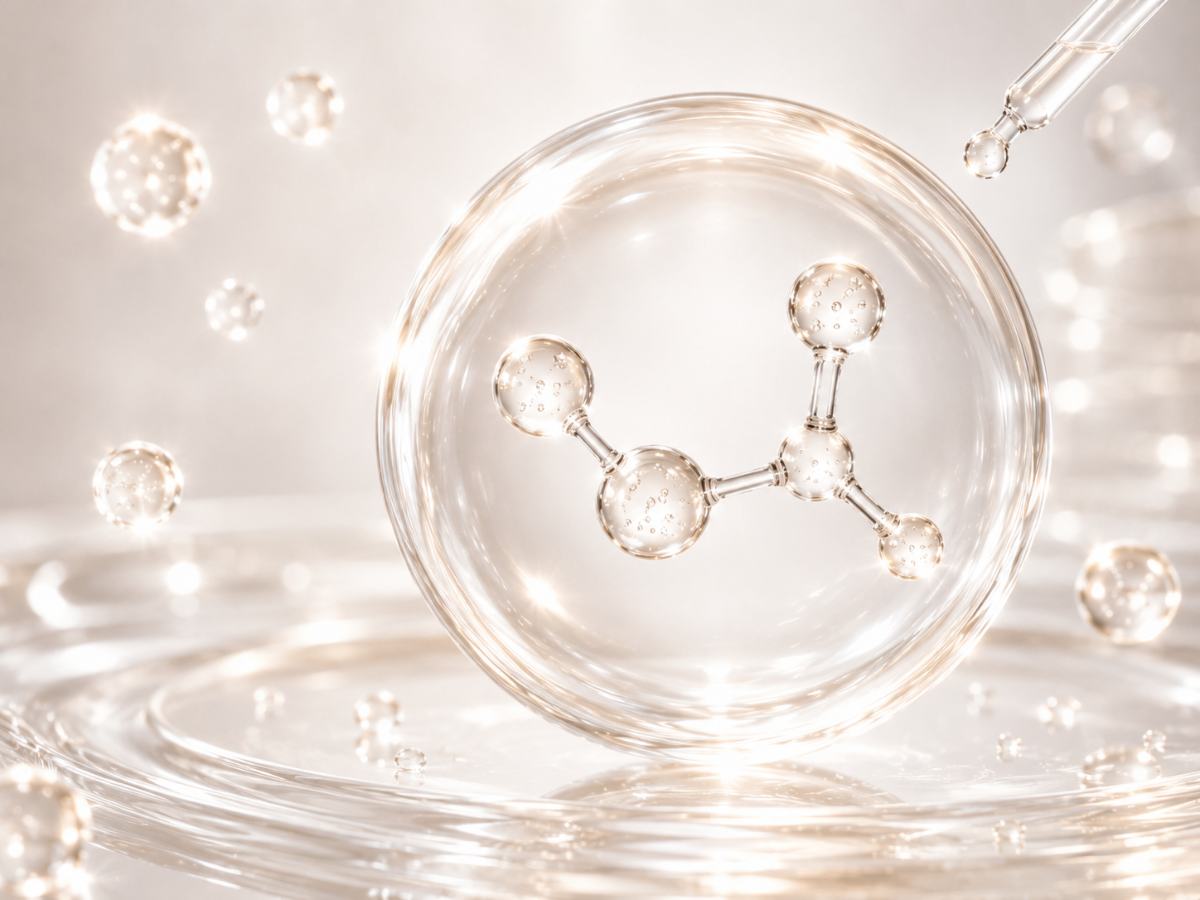
Glycolic Acid
Supports visible surface renewal by helping loosen dull, compacted corneocytes that can make pigmentation and texture look more pronounced.
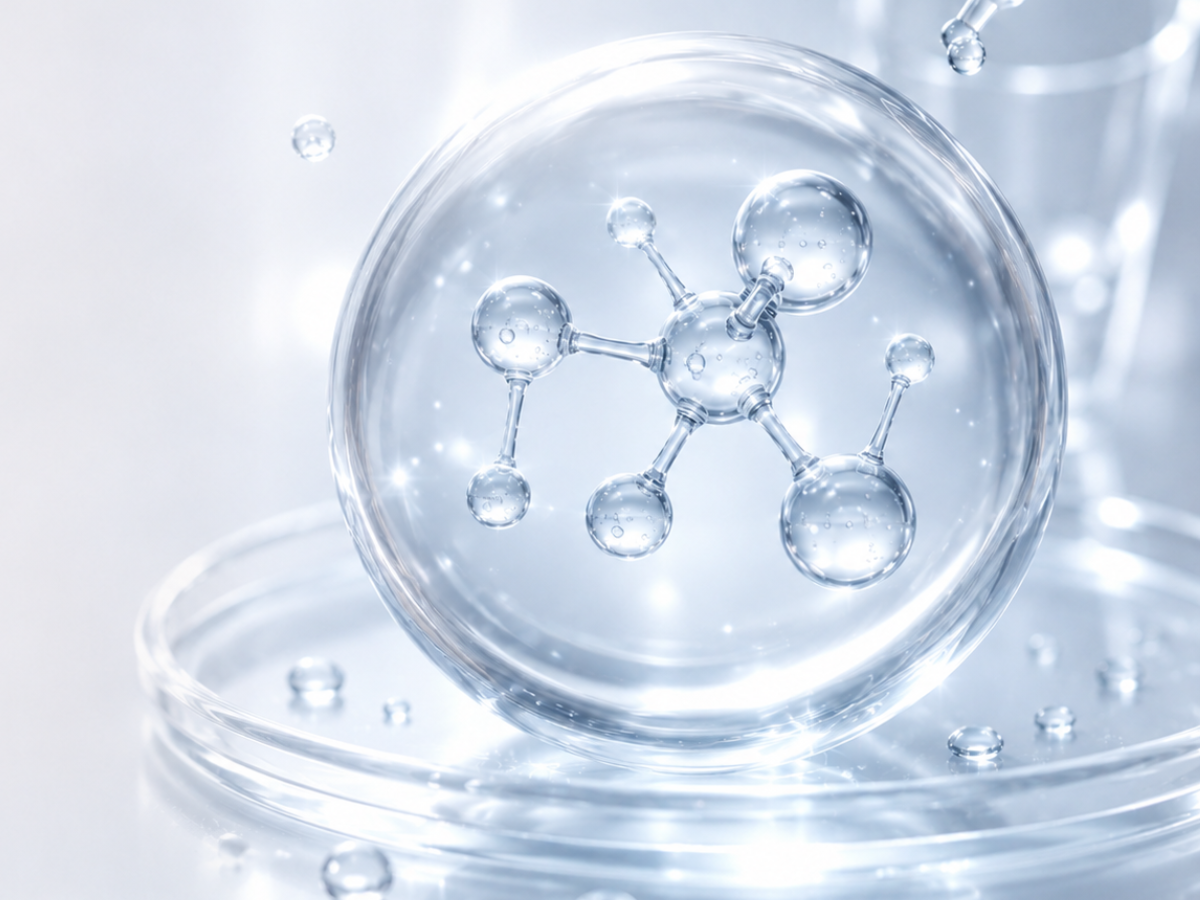
Mandelic Acid
Provides additional resurfacing support with a larger molecular structure than glycolic acid, helping refine dullness and uneven-looking texture.
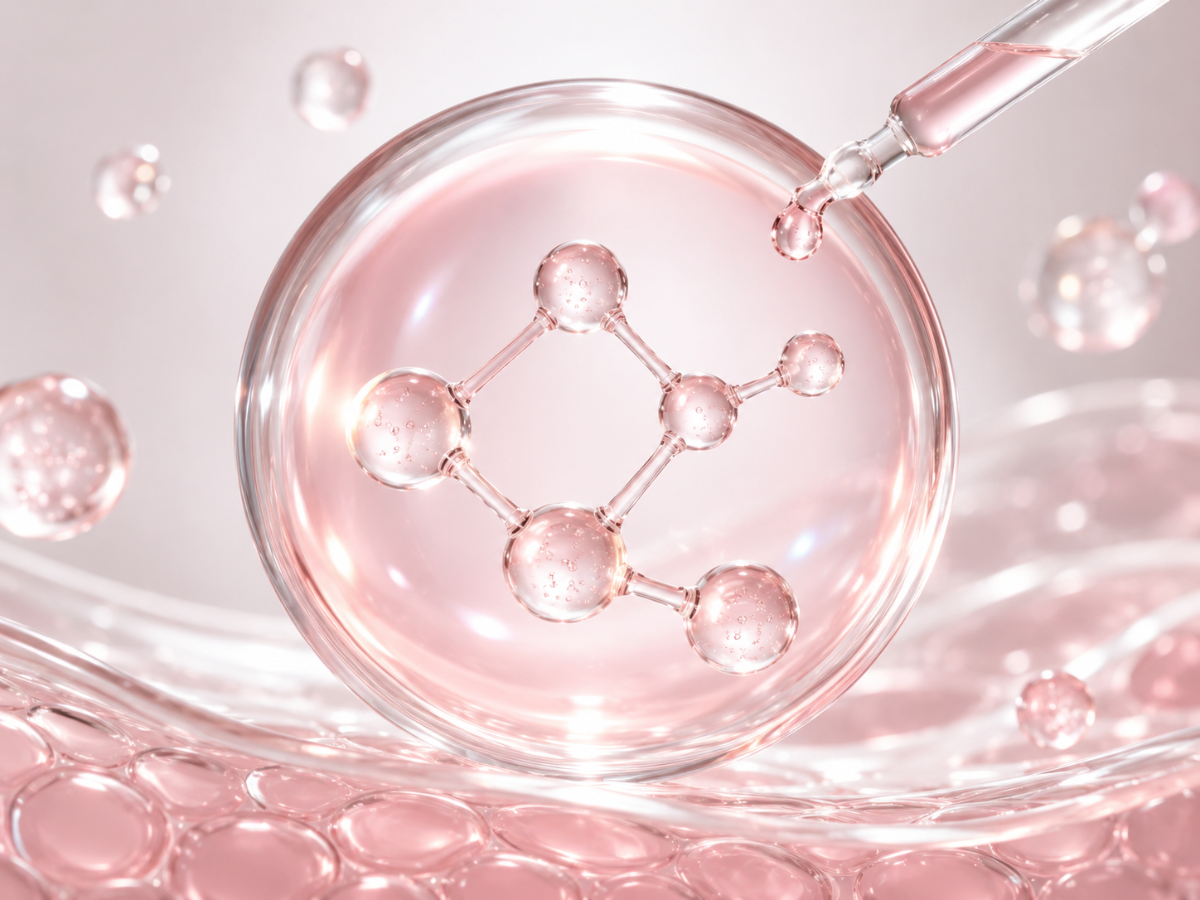
Azelaic Acid
Supports the visible appearance of uneven tone, lingering post-breakout marks and stubborn areas of discolouration.
Tranexamic Acid
Included to support a more even-looking complexion where pigmentation appears persistent, patchy or melasma-prone.
A weekly treatment with a specific clinical purpose.
This is not a general glow mask and it is not designed to replace a complete melasma routine. It is the controlled resurfacing step for skin that looks dull, rough and uneven.
looking Supports more refined texture and a less rough-looking surface.
The 15-minute protocol.
Start conservatively. Consistency matters more than intensity for pigmentation-prone skin.
If the skin remains comfortable, frequency may be increased gradually to twice weekly and then up to three times weekly. Do not increase frequency when the skin is hot, tight, raw, persistently red or irritated.
Melasma requires control, not intensity.
Over-exfoliation can increase irritation and compromise the skin barrier. For pigment-reactive skin, that can work against the goal of a calmer, clearer and more even-looking complexion.
Pause use and focus on barrier support if the skin develops persistent burning, swelling, significant discomfort or prolonged redness.
- Do not use on the same night as retinoids, exfoliating acids, other peels or needling.
- Do not apply to broken, sunburned, freshly waxed or recently treated skin.
- Do not use more frequently to force faster visible peeling.
- Do not pick, scrub or manually remove any flaking skin.
- Do not use without broad-spectrum SPF 50 every morning.
- Patch test before first use and introduce slowly if your skin is reactive.
Formula transparency.
A cream-based chemical exfoliation treatment combining four primary active concentrations with emollient and humectant support.
Aqua (Water), Helianthus Annuus (Sunflower) Seed Oil, Glycerin, Glycolic Acid, Glyceryl Stearate, Cetearyl Alcohol, Ceteareth-20, Caprylic/Capric Triglyceride, Mandelic Acid, Butyrospermum Parkii (Shea) Butter, Azelaic Acid, Tranexamic Acid, Polyacrylamide, C13-14 Isoparaffin, Laureth-7, Tocopherol, Propanediol, Carbomer, Phenoxyethanol, Triethanolamine, Ethylhexylglycerin, Disodium EDTA.
The Melasma Peel FAQ
Is this suitable for melasma-prone skin?
It is formulated specifically for pigmentation-prone and melasma-prone skin, combining controlled resurfacing acids with Azelaic Acid and Tranexamic Acid. Daily SPF and measured use remain essential.
How often should I use it?
Start once weekly. If the skin remains comfortable, build gradually to twice weekly and then up to three times weekly. Do not increase frequency when the skin is irritated.
How long should I leave it on?
Apply for 15 minutes and rinse thoroughly with lukewarm water. The primary protocol is a timed rinse-off treatment.
Will it make my skin peel?
Mild dryness or visible flaking may occur, but the goal is controlled resurfacing rather than forcing dramatic peeling. Significant burning, swelling or prolonged redness means use should stop.
Can I use it with retinol or other acids?
Do not use it on the same night as retinoids, other exfoliating acids, peels, needling or other high-activity treatments. Alternate use to reduce the risk of over-exfoliation.
Can I use it by itself?
Yes. It can be used as a standalone weekly resurfacing treatment. Recurring melasma generally benefits from a complete routine that also addresses daily pigment regulation, barrier support and UV protection.
Do I need sunscreen?
Yes. Broad-spectrum SPF 50 is essential because alpha hydroxy acids can increase sun sensitivity and UV exposure can worsen the appearance of pigmentation.
Can I use it during pregnancy or breastfeeding?
Speak with your healthcare provider before introducing active skincare during pregnancy or breastfeeding, particularly if you are managing a skin condition or using other treatments.
If pigmentation keeps returning, the peel may only be one part of what your skin needs.
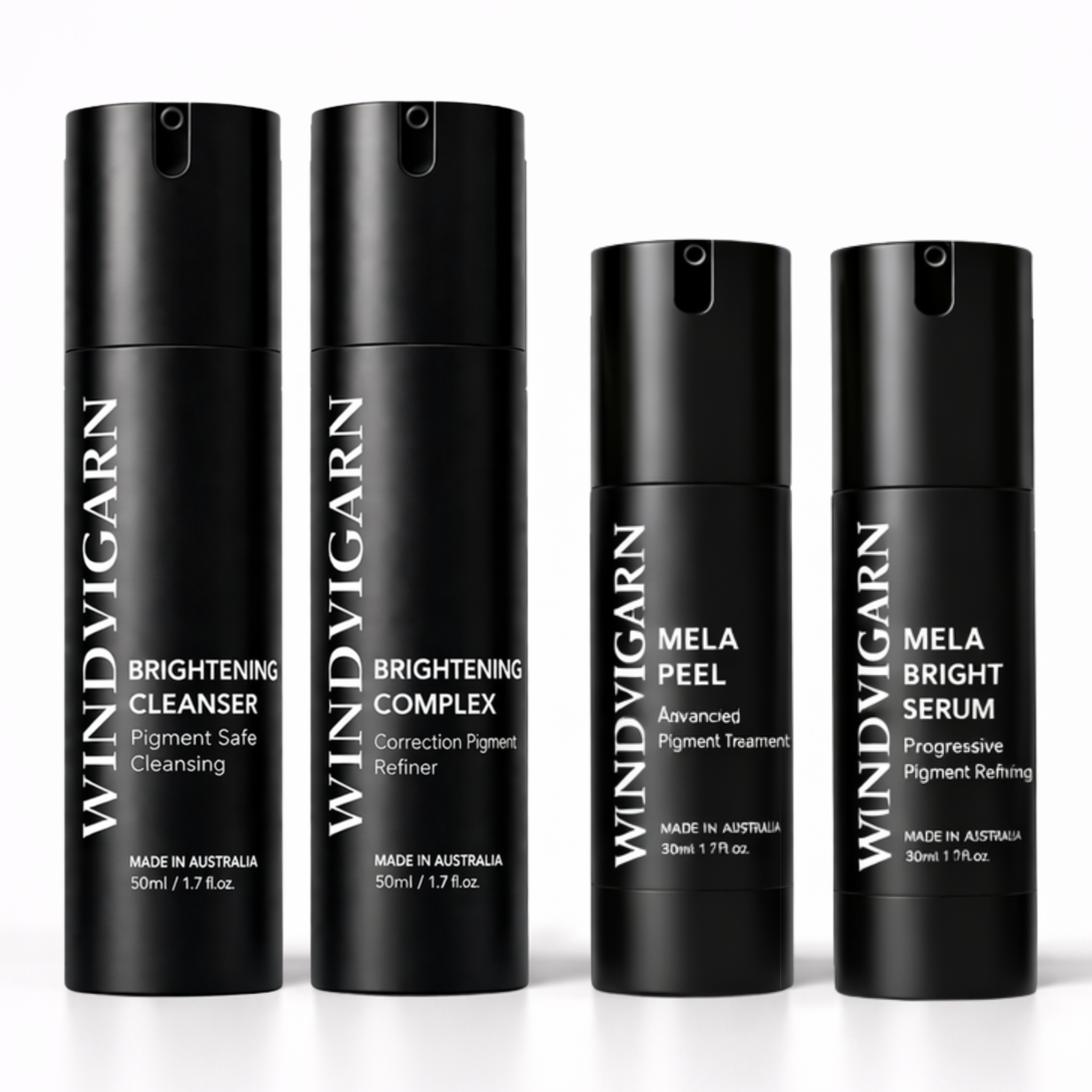
The Melasma Peel addresses controlled surface renewal. The Melasma Reset System adds the complete daily structure: pigment-safe cleansing, progressive renewal, targeted pigment care and night support.
Cart
Your cart is currently empty.
Start Shopping